
Fleas & Ticks
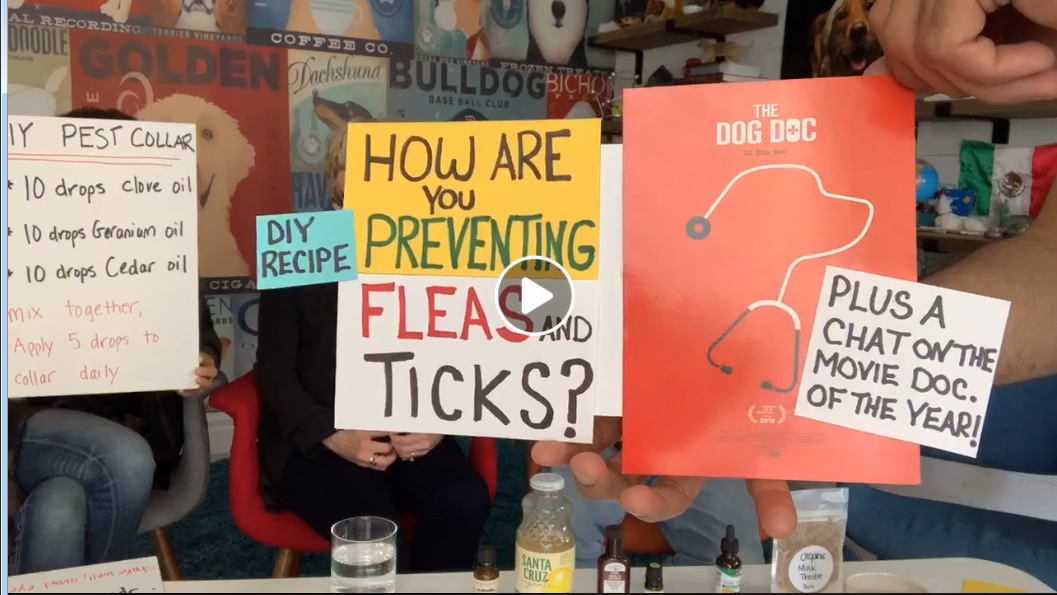
My Homework: My current approach to fleas and ticks.
FDA Alert for flea & tick products
Fleas
Ticks
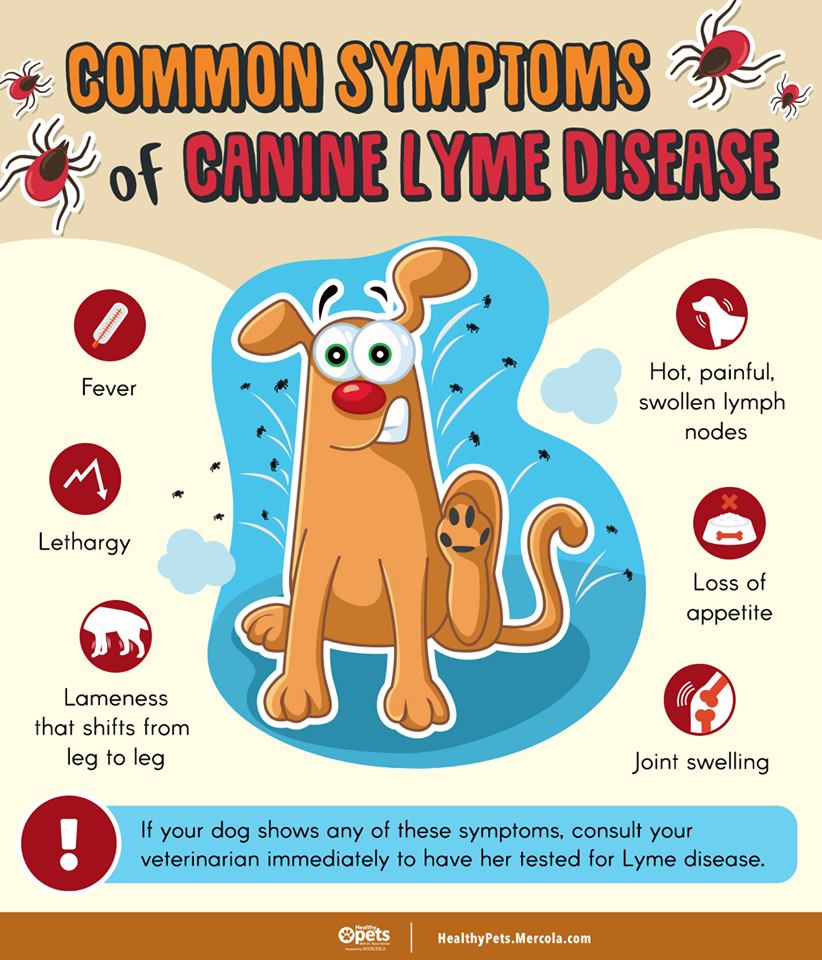
Lyme Disease (Exposure vs Disease)
Essential Oils (may be better than current antibiotics)
Natural Ways to Repel Fleas and Ticks
ITCH RELIEF
Safe Products for the Yard!
TICK TESTING RESOURCES
IMPORTANT SAFETY INFORMATION
Fleas, ticks, and internal parasites can be a serious problem for our dogs and cats. Just like with every other topic there are a variety of opinions so I’m sharing my homework. I’ve never had a flea problem with any of my animals so I have not used any insecticide flea preventatives, and due to safety concerns I would be hard pressed before I considered using any product for fleas or ticks. I prefer to treat my dog for only the parasites I know him to have or that are unavoidable. With this in mind there is not a tick preventive on the market that I feel comfortable giving my dog. And I definitely don’t want to give him combinations of insecticides for parasites he doesn’t have. It’s important we understand the risks with everything we do. Whether it be flea and tick preventatives or vaccines my approach is to do what’s necessary, not just those things that are convenient.
If I had a dog or cat with a flea infestation I would use Capstar Capstar (nitenpyram) is a veterinary flea pill product (given orally) It kills adult fleas on an animal starting within half an hour, and lasting for 48 hours. For ticks, there is not a product currently I would be comfortable giving a dog or cat to control ticks.
“More ingredients are not necessarily better, despite what the pharmaceutical companies want you to think. When a pharmaceutical company’s patent on a new drug expires, other companies can create and sell generic versions of the same product, usually for less money. When a patent expiration draws close, their owners often add something to the original product, in an effort to create a new patent that will continue to earn money for the company in a protected market.”
“This is the main reason that the pharmaceutical companies keep rolling out new products that address more parasites. In almost every case, they’ve added another pesticide, insect growth regulator, or flea-killing medication to an older product.”
“The obvious problem from our view is that the more active ingredients a product contains, the more likely it is to have an adverse effect on your dog. So pick the simplest product that addresses your dog’s issue.”
https://www.whole-dog-journal.com/health/what-is-the-best-flea-control-for-dogs/

“The U.S. Food and Drug Administration is alerting pet owners and veterinarians to be aware of the potential for neurologic adverse events in dogs and cats when treated with drugs that are in the isoxazoline class.
Since these products have obtained their respective FDA approvals, data received by the agency as part of its routine post-marketing activities indicates that some animals receiving Bravecto (fluralaner) tablets for dogs, Bravecto (fluralaner) topical solution for cats and dogs, Nexgard (afoxalaner) tablets for dogs, or Simparica (sarolaner) tablets for dogs, have experienced adverse events such as muscle tremors, ataxia, and seizures. Two additional products in this class, Credelio (lotilaner) tablets for dogs and Revolution Plus (selamectin and sarolaner topical solution) for cats, recently received FDA approval. These products are approved for the treatment and prevention of flea infestations, and the treatment and control of tick infestations. Revolution Plus, is also approved for prevention of heartworm disease, treatment and control of ear mite infestations and some gastrointestinal parasite infections.
The FDA is working with manufacturers of isoxazoline products to include new label information to highlight neurologic events because these events were seen consistently across the isoxazoline class of products. Revolution Plus, which was approved most recently, includes the new labeling information to highlight the potential for neurologic events in the isoxazoline class, and Merial has made the requested changes to Nexgard's labeling including adding the new class statement. Merial has since transferred ownership of Nexgard’s approval to Boehringer Ingelheim.” https://wayback.archive-it.org/7993/20201222192100/https://www.fda.gov/animal-veterinary/cvm-updates/animal-drug-safety-communication-fda-alerts-pet-owners-and-veterinarians-about-potential-neurologic
Prolonged fecal elimination of isoxazoline antiparasitic drugs in dogs and cats: is there a risk for nontarget species?
“The drugs lingered far longer than anyone expected. In cats treated with topical fluralaner, traces showed up for 128 days. Dogs given oral lotilaner were still excreting it after 204 days (nearly seven months). Even the shorter-acting medications stuck around for 80 to 114 days. To put that in perspective, if you treated your dog on January 1st with lotilaner, the medication could still be contaminating their waste in early August.” … “Most people don’t spend much time thinking about the bugs that eat animal poop. Still, dung beetles, flies, and similar species play crucial roles in ecosystems. They break down waste, recycle nutrients back into soil, and serve as food for birds and other wildlife. Kill off enough of these insects, and the effects ripple outward. Waste piles up. Nutrients don’t cycle properly. Birds lose food sources. The problems cascade. Scientists have documented alarming declines in insect populations worldwide in recent years. Pet pesticides might be one more stressor pushing bugs toward collapse.” https://studyfinds.org/flea-medication-pet-poop-poisons-wildlife-for-months/?fbclid=IwY2xjawPXm2pleHRuA2FlbQIxMABicmlkETFJNjhFeTY4cGxLbGJpZTZoc3J0YwZhcHBfaWQQMjIyMDM5MTc4ODIwMDg5MgABHjclitJj4PK8O6Ij8LLa24wIwWehXbexoTUiYb4rPquTzXvAmniuMogwxBqg_aem_KUrh6BTV1HGZzp2YyAM9Fw
https://onlinelibrary.wiley.com/doi/epdf/10.1002/vms3.285
Buck Mountain Parasite Dust
Buck Mountain Parasite Dust is a natural, holistic product that is effective on fleas, ticks, mites, bed bugs, spiders, beetles, ants and other insects. It can be used on animals, in gardens and homes/buildings.
Ingredients: Organic Neem, Organic Yarrow, Diatom Flour
How to Apply: Sprinkle the dust from head to tail along the spine and brush against the hair to bring the dust into contact with the skin. A little goes a long way. One teaspoon is plenty for a dog and more than enough for a cat. If you see the dust when it’s brushed in, your are using too much. This should be done under dry conditions in a ventilated area so as not to inhale a cloud of dust. Keep out of eyes, nose and mouth. One to two ounces is enough to dust a large herbivore (e.g. a horse).
It lasts a very long time unless washed away. In dryer climates, treatment twice a year may be enough. https://www.avafrick.com/product/buck-mountain-parasite-dust/
WHAT’S WORKING for gromit?
My dog Gromit was a tick magnet for 2 years. He was getting ticks year round even when temperatures were in the 30’s. I’ve sense learned here in So. California the temperature doesn’t actually get cold enough to prevent ticks year round.
If unprotected, if he brushed up against a small plant he would have a least one tick on him. This was a big challenge since he walked off-leash each morning amongst brushes, trees, tall grasses, etc… I avoided using any chemical preventatives to control fleas and ticks. I’ve opted for safe, nontoxic alternatives so far. (Spoiler alert: the less toxic approach is a success!) After each outing/adventure I would brush him thoroughly with a flea/tick comb from head to tail. I would also run my fingers through his coat against the bias several times and also check his ears and between his toes. If I felt the slightest bump while brushing him or running my fingers through his coat I stop and look to see if it is a tick. It usually was! They can be as small as a tomato seed! I recheck him a couple hours later to be sure none got by the first check.
If I find a tick I remove it carefully with forceps and place them into a cup with alcohol. Prior to the use of forceps, I used various tick tools. But I found I was far more successful removing the whole tick with the forceps by pulling straight out with a steady, even pressure. I now highly recommend the use of forceps over the use of tick tools.
I looked at the research and recommendations for essential oils preventatives and I used lots of different oils and combinations. This included spraying him with a neem oil recipe (see below “The Forever Dog”) which worked well when used just prior to adventures around tall grasses and brushes. Before I was using the neem spray recipe it was not uncommon to find between 2-10 ticks on him after an outing. I have found them everywhere from his face to his tail and everywhere in between. Once I started using the recipe I would find maybe 1 or 2 ticks at best every 4 or 5 days.
Through experimentation, I found this recipe worked best. Neem oil (base), lemongrass, peppermint, geranium, eucalyptus, and lavender essential oils. I mixed into a spray bottle and sprayed Gromit head to tail. If I did not spray him well, he would get a tick maybe once a week.
At about the 2 year mark battling ticks, Gromit developed an ear infection (yeast) in his left ear. Before I could get into the vet office I began I using an ear cleaning recipe from Dr. Karen Becker. As soon as I began to clean his ears with the recipe, he no longer was a tick magnet. (We started treating the ear infection with medication from the vet two days later). I now clean his ears once a week with the recipe below and this has been effective to deter ticks. I no longer use any other sprays on him. If I were traveling into an unknown or infested area, I would add the full body spray of the neem recipe above as a preventative.
When Gromit was in his tick magnet phase, I twice sent ticks to the Tick Check lab for testing. All the tests came back negative for Lyme and 10 other pathogens common to the tick species I sent for testing. (American Dog Tick, Brown Dog Tick)
Since Lyme and other tick-borne diseases are a serious problem I take Gromit to the vet once or twice a year for a SNAP 4Dx Plus test. This test screens for heartworm, Lyme disease, and two strains each of Ehrlichia and Anaplasma. If a dog tests positive for Lyme disease, it only means they have been exposed. It doesn’t mean they have Lyme disease.
“If your dog tests positive on one of these screening tests for Lyme disease, it means he’s been exposed. It doesn’t mean he has Lyme disease. In fact, research shows most dogs’ immune systems do exactly what they’re supposed to do and mount an immune response to the bacteria and eliminate it. But in about 10 percent of cases, dogs become infected and can’t clear the spirochete. These dogs need to be identified and treated in a timely manner, before symptoms start. The test that differentiates Lyme exposure from Lyme infection/disease is called a Quantitative C6 (QC6) blood test. Do not let your vet prescribe antibiotics until the QC6 demonstrates your dog is currently positive for Lyme infection.”
Gromit Tick Update
I’ve been using the ear cleaning mixture on Gromit for over a year and he is no longer a tick magnet. I clean his ears once a week with a cotton ball soaked in this mixture and I no longer need to spray/mist him with any other essential oil blends to control ticks for any outing. Over the last year I’ve found ticks on him twice.
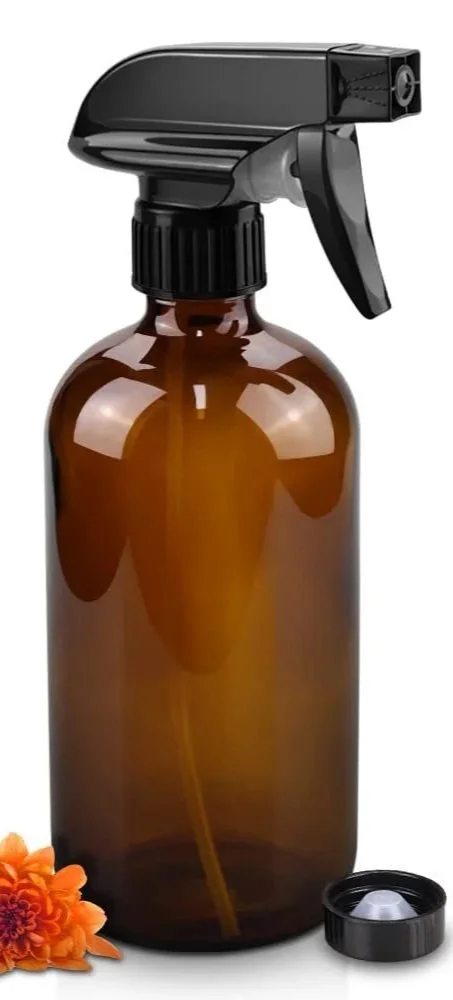
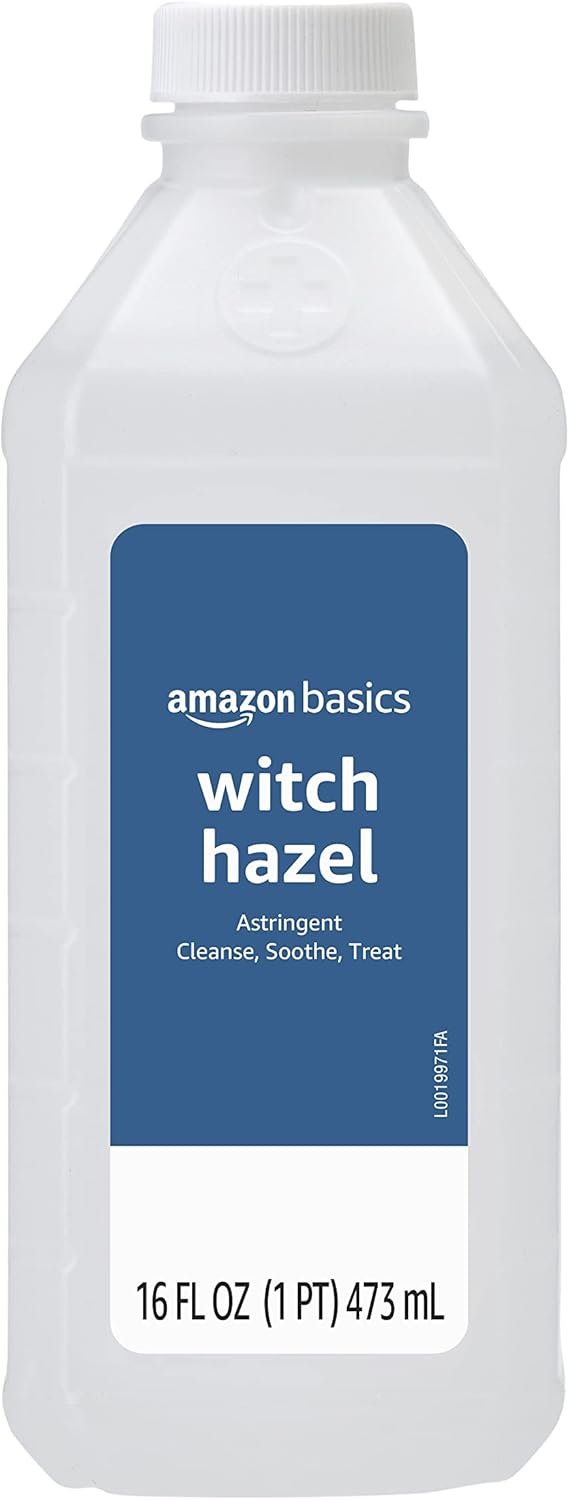


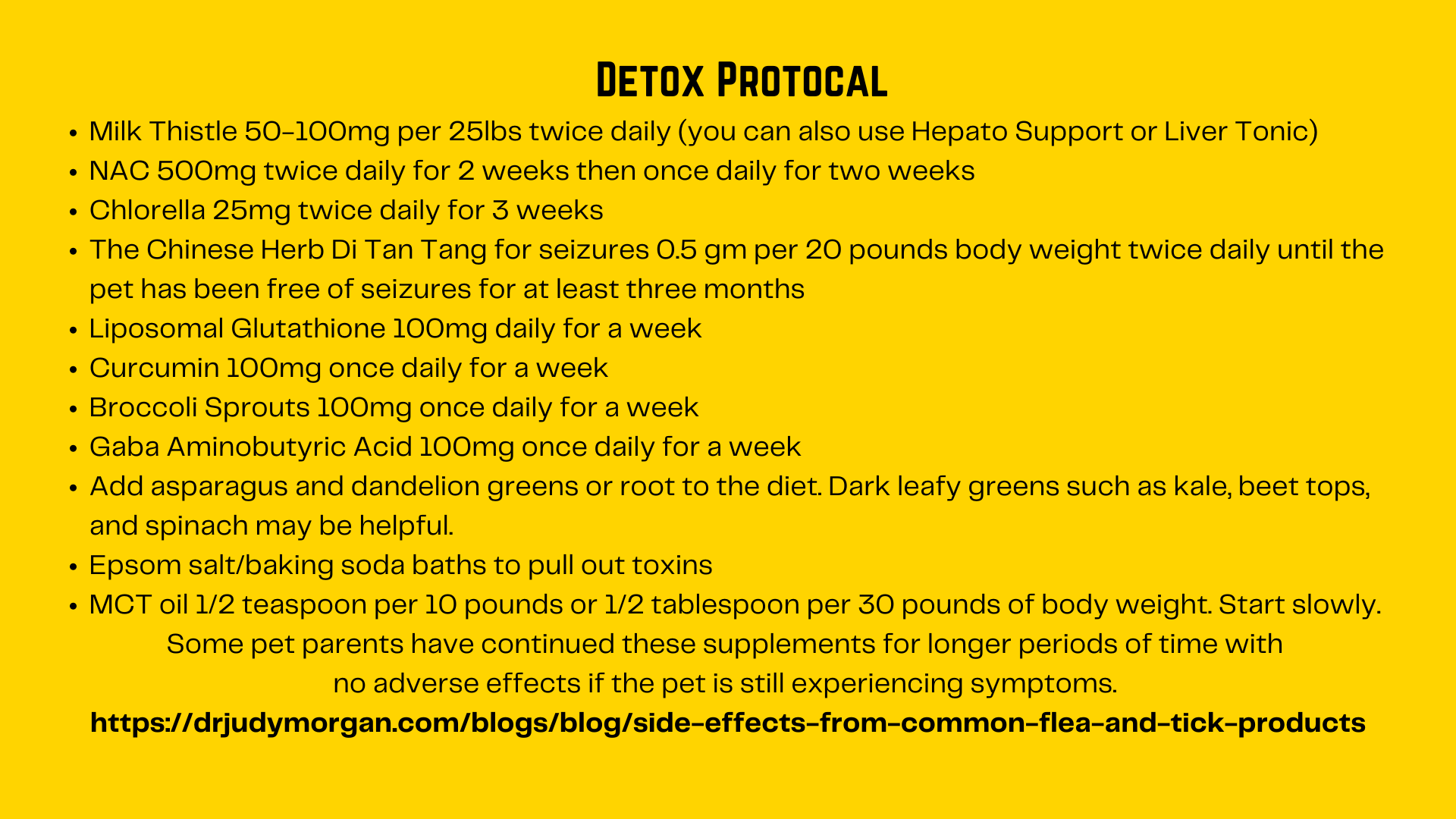
“A Note about Flea and Tick Treatments: These are, technically, pesticides, right? They prevent pests like fleas and ticks from bothering or infecting our pets. But are they toxic? If they poison pests, can’t they poison pets? Warnings on many package inserts advise calling poison control if any of the product makes contact with human skin but infer that direct application to your dog’s skin is entirely safe. Some of these products have come under scrutiny, alarming both veterinary associations and the EPA in recent years. A 2019 review of Bravecto and other flea and tick products containing isoxazoline, revealed two out of three dog owners (66.6 percent) reported abnormal side effects. Sometimes these drugs must be used, but there are safe ways to minimize the use of these potent chemicals, which help reduce chemical resistance and chemical burden in our dogs”
“When it comes to how often and to what extent you should use flea, tick, and heartworm pesticides, you can make commonsense choices, like assessing risk versus benefit.”
“If you frequently spend time in the woods with your dog in high-risk areas, then you will need to provide protective chemicals and support your dog’s endogenous detoxification pathways (see the protocol laid out in Chapter 4).”
Survey of canine use and safety of isoxazoline parasiticides
Over 100,000 Incident Reports and 3,000 Pet Deaths Associated with Seresto Collars

FORCEPS FOR TICK REMOVAL
Fipronil Class (Examples)
Frontline Plus for Dogs
The products noted below are what I would consider if necessary. But only if they are exactly as listed by name and ingredients. These products do change and newer active ingredients are added, so I would avoid anything that has changed.

I HAVE NOT USED ANY OF THESE PRODUCTS.
There are numerous prescription and over-the-counter (OTC) products on the market that are sold as preventatives. Most of these preventatives contain pesticides/insecticides and they come as:
Oral chews
Topicals
Collars
There are also pesticide-laden soaps, shampoos, dips, rinses, sprays, and powders that contain highly toxic ingredients that are sold to treats animals to help when there is an infestation. (None of which I would use!)
Most products are monthly, and a few every 3 months. (Note: I would not use more than a monthly preventative of any type) Some of the collars are recommended for 8 months.
All products are not the same and can be reformulated over time so its important to read labels.
Some products only kill adult fleas. Another may kill adult fleas, flea eggs and flea larvae.
A product may kill:
Fleas (adult)
Fleas, adult, eggs, and larvae
Fleas & Ticks
Fleas, Ticks, Roundworm, Hookworms, Whipworms, Tapeworms, Sarcoptic Manage, & Heartworm
Another consideration is that not every tick preventative kills every type of tick. The ticks we’re mostly concerned with are: deer ticks, American dog tick, lone star tick, brown dog tick, and Western blacklegged tick. If you decide to use a product check to be sure it kills ticks common to the area you are in or are visiting.
Oral products do not prevent fleas or tick attachment. “With oral medications, ticks can still get onto your dog or cat and bite them. In fact, a tick must bite your pet and eat their blood before it will be killed. Oral tick medications work by making your pet’s blood poisonous to ticks. Once the tick starts feeding, they will eat the medication, die, and fall off before they have a chance to transmit any diseases.” https://www.goodrx.com/pet-health/dog/best-tick-medication
Some start to kill fleas in 30-minutes, others can be 2 or 4-hours depending on the product. Some products will start to kill ticks in 12-hours.
Topical products generally kill fleas and tick on contact. Depending on the product it can start to kill fleas in 5 minutes or 24 hours.
Q. How long does a tick have to stick to you to transmit infections?
A. For Rocky Mountain spotted fever, it takes 2 to 96 hours; for Lyme disease, it depends on the tick. One transmits the infection between 4 and 72 hours; the other from 48-96 hours. For anaplasmosis and ehrlichiosis, a tick needs to be attached for 24 to 50 hours. It is unknown how long a tick needs to be attached to transmit Powassan or Heartland virus.
https://www.webmd.com/skin-problems-and-treatments/faq-tick-borne-diseases
How long does a tick have to be attached to transmit diseases?
Tick-borne diseases are transmitted to the host as the tick feeds. The longer a tick is attached the higher the chance of transmitting disease, so the likelihood of being infected by a tick that just recently attached is relatively low. The more engorged a tick has become, the longer the tick has likely been embedded and the higher the chance of disease transmission.
Scientific studies have shown that Borrelia burgdorferi (Lyme disease) usually requires 18-24 hours to be transmitted from tick to host and that Rickettsia rickettsii (Rocky Mountain spotted fever) usually requires at least six.
https://www.tickcheck.com/info/faq#faq3
The chemicals in these preventatives can be classified into several groups: organophosphates, carbamates, pyrethrins and pyrethroids, neonicotinoids, phenylpyrazoles, triazapentadiene, oxadiazine, isoxazolines, and others. These preventatives containing pesticides/insecticides are not without potential problems, some of which are potentially more serious than others.
Some of the adverse events that have been associated with these products include: Death, Seizure, Shaking/Tremors/Ataxia, and Behavioural Issues. https://www.primescholars.com/articles/updated-summary-on-use-and-safety-of-flea-and-tick-preventives-for-animals-94239.html?fbclid=IwY2xjawEajOFleHRuA2FlbQIxMQABHT_AbVfEIWnch6JoXGcKCJphBUuUFNU2Az8ztdxcTgaUUEZbl4OuCjg_Dg_aem_JrmrUcYqWdInAaLMmbnKFw
“Because of worldwide use, these chemicals pose health risks to nontarget species, including humans, domestic and companion animals, wildlife, and aquatic species. In large animals, poisoning is often due to inadvertent or accidental use, whereas in small animals (particularly dogs) poisoning is often a result of malicious intent.”
“Each exposure, no matter how brief or small, results in some of the compound being absorbed and perhaps stored. Repeated short exposures may eventually result in intoxication because of cumulative effect. Every precaution should be taken to minimize human exposure.”
NEVER use products on cats that are intended for dogs! Products intended for dogs can be deadly for cats.
“Cats are not small dogs. Dog products cannot be used in cats and will lead to severe, often fatal, reactions. Most notably, the insecticides called permethrins are toxic to cats, potentially causing tremors, seizures, and death.”
https://www.petmd.com/cat/general-health/flea-and-tick-prevention-and-treatment-cats
A number of adverse reactions in cats’ results from exposure to a treated dog.
“Unfortunately, most conventional veterinarians continue to recommend the widespread use of chemical preventives, and rarely if ever mention nontoxic alternatives or the possible side effects from using these pesticides. This one-size-fits-all policy is not a good approach if the goal is to protect the health of dogs and cats.” https://www.barkandwhiskers.com/2024-05-19-natural-pest-deterrent-for-pets/
Least-Toxic Control of Ticks
Pesticides and Pets
Pets and Pesticides: Keeping our Companions Safe
Inspector General Finds Widely Used Flea Collars Still Not Fully Evaluated by EPA
Serious Water Contamination from Pesticides Used on Pets, Ignored by Regulators, Again Confirmed
Danger: Pyrethrin & Pyrethroid Toxicity to Cats
Pyrethrin, Pyrethroid, & permethrin are widely used in typical (spot-on) dog flea and tick prevention products to kill ticks. They are also widely used in products such as bug sprays and for pest control. If your cat is exposed to these compounds, the result may be disastrous and/or even fatal.
Dog flea control products that contain pyrethroids (pyrethrin, pyrethroid, & permethrin) are toxic to cats. “If you also have a dog that was treated with a pyrethrin/pyrethroid flea and tick preventative designed ONLY for dogs, such as a ‘spot on’ or topical preventative, and your cat was in close contact (e.g., grooming each other, sleeping next to each other, etc.), then your cat could have been exposed to the toxin.”
The Signs of Pyrethrin and Pyrethroid Toxicity in Cats
“Depending on how your cat was exposed to the toxin, signs of toxicity can happen within a few hours or may be delayed up to 24 hours after exposure. Cats exposed to a large amount of pyrethrin/pyrethroid-based insecticides will often have whole-body tremors. Other signs of pyrethrin/pyrethroid toxicity often include:”
Excessive salivation or drooling
Vocalizing or crying
Agitation or restlessness
Vomiting
Loss of coordination
Difficulty jumping, standing, or walking
Shaking, twitching, muscle tremors (often mistaken for seizures)
Difficulty breathing
https://www.preventivevet.com/cats/flea-preventative-danger-pyrethrin-pyrethroid-toxicity-to-cats
Dr. Dodds does not recommend using any drugs of the isoxazoline class for the prevention or treatment of fleas and ticks. She prefers other and preferably all-natural options.
However, as the companion pet parent, you should make the choice. If you do choose to give these flea and tick products, we suggest not purchasing the flea/worm/tick/heartworm combination. Instead, give the flea/tick product 15 days separate from a monthly heartworm preventive. Additionally, only give during months with a heavy load or when your household may be compromised. For example, a heavy burden of ticks may only occur in your area in May or June, but not the rest of the warm weather months.
Dr. Dodds does still suggest monthly heartworm preventatives if the temperature is above 57 degrees for approximately two weeks and mosquitoes are prevalent. In Northern states, this would typically be between May – November. In Southern states, this would more than likely be year round. https://hemopet.org/more-concerning-news-regarding-flea-and-tick-products-for-companion-dogs-and-cats/
Dr. Melissa Shelton prefers this product when necessary to control fleas. (as of 2022)
Tick Repellent
This neem oil tick spray recipe is found in “The Forever Dog Life” book.
1 teaspoon neem oil
1 teaspoon vanilla extract
1 cup witch hazel
1/4 cup aloe vera gel
Add all ingredients to a spray bottle and shake vigorously until ingredients are mixed well.
Shake well prior to each use and immediately spritz over dog (avoid the eyes!)
Repeat every 4 hours while outdoors and make a fresh batch every 2 weeks.


Note: I believe the vanilla extract is primarily used to give the recipe a more pleasant scent. I’m going to experiment by adding catnip in place of the vanilla extract to see if will also deter mosquitos.
Seresto collars - Adverse Reaction Reports
Seresto Pet Flea and Tick Collars Still on the Market but with Mitigation Measures
Fact Sheet for Pet Owners and Veterinarians about Potential Adverse Events Associated with Isoxazoline Flea and Tick Products
Pesticide exposure in New Zealand school-aged children: Urinary concentrations of biomarkers and assessment of determinants
Down-the-drain pathways for fipronil and imidacloprid applied as spot-on parasiticides to dogs: Estimating aquatic pollution
Spot-on application of both imidacloprid and fipronil chemicals were detected in 100 % of owner handwashing for at least 28 days following product application.
If you’re using conventional flea and tick products on your cat or dog, you may be surprised to learn they’re not as safe as what your veterinarian may be telling you. Many conventional spot-on flea and tick preventives are unsafe for dogs and cats
Recent studies link some of the “active” and “inactive” ingredients in popular spot-on treatments to serious health effects in both pets and lab animals.
Please, check the label right now if you are using a spot-on product on your dog or cat, or plan to in the near future, and make sure it doesn’t contain one of these potentially harmful ingredients:
Fipronil (a member of the phenylpyrazole chemical family) doesn’t remain in the skin’s oil glands as its maker claims – rather, it enters your pet’s body and organ systems, and in lab animals, caused thyroid cancer, altered thyroid hormones, reduced fertility, liver and kidney toxicity, and convulsions. “we theorize that fipronil also affects emotional and cognitive behaviors in dogs and cats, particularly as many appear to be restless and excited following fipronil administration.” The effects of fipronil on emotional and cognitive behaviors in mammals
Imidacloprid, a known neonicotinoid neurotoxin, increased cholesterol levels in study dogs and caused thyroid lesions, liver toxicity, and showed the potential for heart, liver, lung, spleen, adrenal, brain, and gonad damage
Pyrethroids aren’t the same as pyrethrins – the naturally occurring compounds from chrysanthemums, and caused over 1,600 pet deaths during a 5-year period, and account for more than half of major pet pesticide reactions including brain damage, heart attacks and seizures
Permethrin, a pyrethroid thought to be both a carcinogen and neurotoxin, is suspected of causing lung cancer and liver tumors in lab animals and disrupting endocrine function, causing tremors, increased aggressive behavior and learning problems
https://products.mercola.com/healthypets/diatomaceous-earth/?utm_source=petsnl&utm_medium=email&utm_content=dpeHL&utm_campaign=20190910Z1&et_cid=DM341078&et_rid=704736742 (Dr. Karen Becker)
Over-the-Counter Flea Medicine for Dogs
Bravecto, Nexgard, or Other: Which Oral Flea Control Should You Use?
Survey of canine use and safety of isoxazoline parasiticides
Pet flea treatments poisoning rivers across England, scientists find
Discovery is ‘extremely concerning’ for water insects, and fish and birds that depend on them
Fleas
A single flea bite can result in your dog itching and suffering from flea allergy dermatitis. Fleas, like flies, go through a life cycle of egg, larva, and pupa before reaching adulthood. If a dog has fleas, they will commonly be found around the base of the tail, abdomen, and the head. If the dog suffers a major infestation, they can be found anywhere on the body. If your pet has fleas, you can count on flea eggs, larva, and pupa in the environment that has not passed through the various life cycles yet to reach adulthood. These will likely be found in and near the areas your dog rests. It is important to vacuum these areas, and wash the dog’s bedding at least weekly to control any infestation. Thankfully today there are natural, non-toxic options for controlling fleas. Every year the ASPCA Animal Poison Control Center receives thousands of calls regarding pets being exposed to insecticides which include products used on pets to control fleas, in addition to products for the lawn and home.[1] You can use a food grade diatomaceous earth on the dog’s bedding, floors, rugs and carpet.
Machine Washable Dog Beds
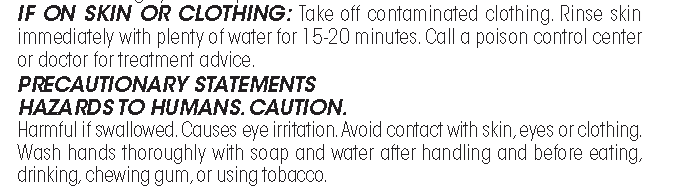
An important component of getting rid of fleas is treating the dog. Common flea control products for use on dogs often carry label warning and precautionary statements such as “Hazards To Humans”, “Do Not Use On Cats”. Instead of using a toxic product on your dog look for a natural product. Many of the natural products use natural oils that kill and repel adult fleas, and these products can be safe for use on cats also, unlike the toxic chemical products.
Step 1 - Check Your Dog
Step 2 - Clean & Vacuum
Step 3 - Laundry - Wash dog beds in hot water.
Step 3 - Dust areas with food grade diatomaceous earth.
Step 4 - Bath your Dog
Safe Flea Preventives FOR DOGS AND CATS DR. KAREN BECKER
I'm not a fan of chemical flea control unless there's simply no other option. Spot-on and similar pest repellent products can have adverse side effects ranging from skin irritation to seizures and paralysis. Misuse of these products has even resulted in death. Instead, try some or all of these non-toxic alternatives:
• Use a non-toxic herbal pest repellent spray, collar or spot-on product.
• Make a natural flea repellent solution with equal parts apple cider vinegar (preferably raw and organic) and water. Pour the mixture into a spray bottle, spritz your hands and stroke your cat, avoiding his face. You can also spray his bedding. Add a little boost to the solution with a drop of geranium, lemongrass, lavender, neem or catnip essential oils, all of which help deter fleas.
• Flea comb kitty every day. Checking daily for the presence of fleas is the most natural, common sense approach of all. Supercharge your grooming session with anti-parasitic flower essences.
Flea and Tick Prevention Revisited

Tick Repellent
Liquid coconut oil 30ml / 2 tbsp
Witch Hazel w/aloe 100ml / 7 tbsp
Turmeric essential oil 2.5ml / 50 drops
mix and add to spray bottle
NOTE: This repellent did not work for my dog. (He is a tick magnet) But your results may vary.


Preventing tick attachment to dogs using essential oils (University of Bristol)
https://www.sciencedirect.com/science/article/abs/pii/S1877959X17305708?via%3Dihub
ITCH RELIEF
Herbs for Pets: The Natural Way to Enhance Your Pet's Life - Greg L. Tilford

Make a rinse out of any of these by making a strong tea. (The stronger the better)
Peppermint tea (4-8 tea bags)
Green tea (4-8 tea bags)
Nettle tea (4-8 tea bags)
Thyme (¼ - ½ cup)
You can make a tea rinse with each of these or combine them.
Heat 1 quart of water to a boil and turn off.
Add 4 – 8 tea bags (peppermint, green tea, nettle and/or ¼ - ½ cup of thyme)
Let tea bags and/or thyme steep in water until cool.
Pour over dog your dog's body (not on the face or head)
Let drip dry, do not towel off
https://www.facebook.com/rodneyhabib/videos/10156591604377028/


Wipe or Soak? By W. Jean Dodds, DVM
Paw soaks are actually recommended at least once per day if your dog does not wear booties outside.
Some people actually have a little “dog paw soaking factory” that the dogs walk through then they walk on a towel or rug, or they use a paw plunger that will squeegee off the excess water and debris.
Below are a couple of ideas we thought were interesting. We understand if paw soaking doesn’t work for your household or lifestyle and will give tips on wiping as well.
Green Tea
Dr. Dodds and Hemopet prefer (especially for white and light-colored pets) a green tea bag poultice, solution, or wipe. Tea of a variety of types can be used as the tannins and polyphenols are antioxidant, anti-microbial and anti-inflammatory.

POVIDONE IODINE DISINFECTING SOLUTION
Povidone Iodine
Dr. Karen Becker uses povidone iodine (betadine), which is an over-the-counter topical antiseptic meant to reduce the number of microorganisms on the skin. Several of our readers use this method, too. Dr. Becker suggests:
A couple inches of water
Enough povidone iodine to change the color to iced tea
Soak for 2-5 minutes
No need to rinse
Pat dry
Only Recommended Essential Oils for Cats if Used Properly
animalEO for Cats http://www.animaleo.info/cats.html
KittyBoost contains essential oils used in cats

Flee Bomb Diffusion Blend
This blend is so powerful, that it is recommended that humans, animals, and fish tanks be removed from the rooms (and possibly the home) while administering a "bomb" treatment. If the area to be treated can be confined, some people have been successful in treating one room at a time, moving their diffuser from room to room, and evacuating to a distant part of the home. Diffusion with an AIR STYLE DIFFUSER (also called an atomizing diffuser) is mandatory for this application


ATOMIZING DIFFUSER

FLEA COMB

UNSCENTED

ADD "AWAY" BLEND TO 4 LEGGER UNSCENTED SHAMPOO

NATURAL REPELLENT


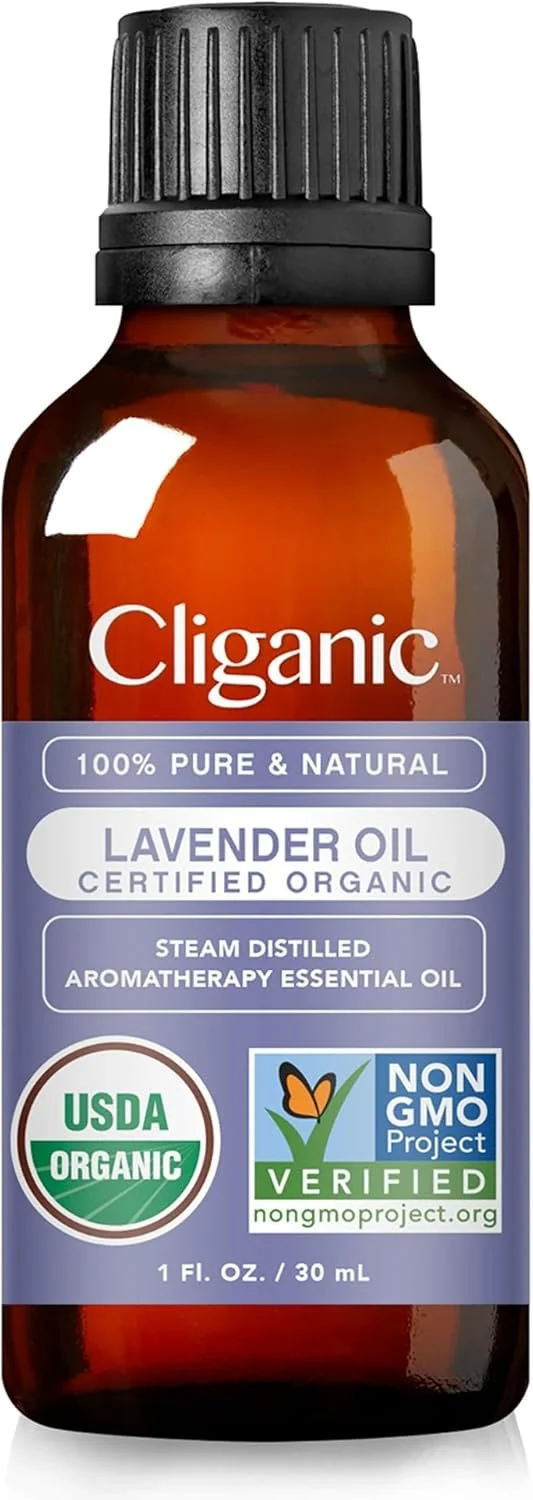
LAVENDER ESSENTIAL OIL
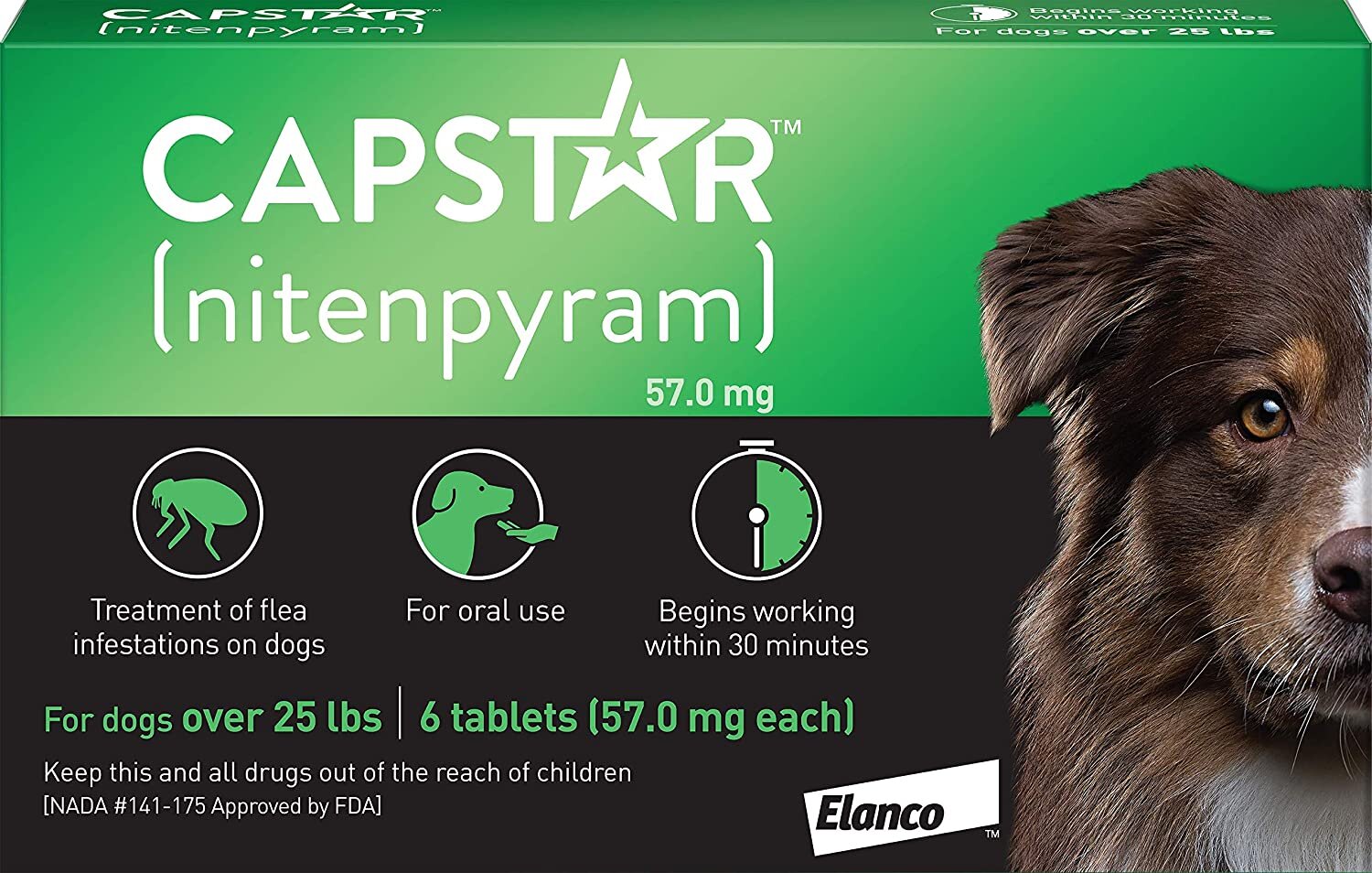
OVER 25 LBS - Fleas will die within 4 hours for dogs and 6 hours for cats


2-25 LBS - Fleas will die within 4 hours for dogs and 6 hours for cats
Products for the Yard


FOOD GRADE
Food-grade Diatomaceous earth (DE) contains less than one percent crystalline silica, so it’s considered safe for regular use with humans and mammals

DUSTER FOR DIATOMACEOUS EARTH



TickCheck™ Tick Testing - For Lyme & Tick-Borne Disease
TickCheck can determine if your tick carries pathogens that cause Lyme and other tick-borne diseases. Our average turn around time for test results is 33.0 hours*. Order your tests online now!
https://www.tickcheck.com/order
https://www.ticknology.org/tick-testing
https://www.ticklab.org/test-my-tick
“The Connecticut Agricultural Experiment Station (PDF) has found that such systems have resulted in statistically meaningful drops in tick levels after several years of use.”


30 Day Parasite Forecast Map
Opossums are an all-natural effective tick control. “Opossums also don’t typically harbor, and therefore don’t transmit Lyme disease or other tick-borne infections to other animals or humans”
How Opossums May Silently Help Prevent the Spread of Lyme Disease
Ticks infesting dogs and cats in North America: Biology, geographic distribution, and pathogen transmission
lyme disease
What You Need to Know about Lyme Disease
Essential Oils (may be better than current antibiotics at killing Lyme bacteria)
Identification of Essential Oils with Strong Activity against Stationary Phase Borrelia burgdorferi
Essential oils from garlic, herbs kill persistent Lyme disease bacteria
The repellent effects of the essential oil of Lavendula angustifolia on adults of Hyalomma marginatum rufipes was studied at concentrations of 5, 10 and 20% v/v. A suitable tick climbing bioassay based on the questing behaviour of ticks was used to test for repellency. High percentage repellency (range 70-100) was shown at all concentrations of the essential oil of L. angustifolia, although at 5% v/v it only persisted for the first 40 minutes compared with 120 minutes at other concentrations (10 and 20% v/v). The repellent strength of L. angustifolia compared well (P > 0.05) with that of DEET (N,N-diethyl-m-toluamide), a commercial reference repellent, for the 2-hour period of the study.
SHOP AMAZON FOR ORGANIC LAVENDER ESSENTIAL OILS
Summary [2]
“Fortunately, in dogs, while exposure to Lyme bacteria is common, infection (Lyme disease) is not”
"Exposure" means dogs' bodies have encountered the bacteria (just as our bodies encounter thousands of different bacteria that we don't become infected with) and have mounted an appropriate immune response: they made antibodies and fought off the foreign invader correctly.
“It’s important to ensure dogs aren’t given antibiotics for exposure to the Lyme bacteria, but only for an active Lyme disease infection”
“Statistics show that the immune systems of seropositive dogs have identified the Lyme disease pathogen and mounted an appropriate, effective response. So even though they test positive, they do not become sick with the disease. And they do NOT need antibiotics!”
“How do you know what dogs are truly infected and what dogs are simply carrying antibodies demonstrating they've been through the war and their bodies did the job they were designed to do and fought off the enemy? A QC6 test.”
“Do NOT allow any vet to prescribe antibiotics without first running this critical test. A quantitative C6 test (QC6) discerns exposure from true infection. Never allow any vet to prescribe antibiotics based on exposure alone: this tells you they have not been adequately educated and you risk destroying your dog's microbiome health due to this all-too-common panic response.”
[2] What You Need to Know as Lyme Exposure Sweeps Across the Nation https://healthypets.mercola.com/sites/healthypets/archive/2018/04/04/lyme-disease-in-dogs.aspx
IMPORTANT SAFETY INFORMATION
Keep cats away from treated dogs for 24 hours. MAY BE FATAL
BRAVECTO has not been shown to be effective for 12-weeks' duration in puppies or kittens less than 6 months of age. Fluralaner is a member of the isoxazoline class. This class has been associated with neurologic adverse reactions including tremors, ataxia, and seizures. BRAVECTO Chew: The most commonly reported adverse reactions include vomiting, decreased appetite, diarrhea, lethargy, polydipsia, and flatulence. BRAVECTO is not effective against lone star ticks beyond 8 weeks of dosing. Seizures have been reported in dogs receiving isoxoline class drugs, even in dogs without a history of seizures. Use with caution in dogs with a history of seizures or neurologic disorders. BRAVECTO Topical Solution for Dogs: The most commonly reported adverse reactions include vomiting, hair loss, diarrhea, lethargy, decreased appetite, and moist dermatitis/rash. Bravecto is not effective against lone star ticks beyond 8 weeks of dosing. For topical use only. Avoid oral ingestion. Seizures have been reported in dogs receiving isoxoline class drugs, even in dogs without a history of seizures. Use caution in dogs with a history of seizures or neurologic disorders. BRAVECTO Topical Solution for Cats: The most commonly reported adverse reactions include vomiting, itching, diarrhea, hair loss, decreased appetite, lethargy, and scabs/ulcerated lesions. BRAVECTO is not effective against American dog ticks beyond 8 weeks of dosing. For topical use only. Avoid oral ingestion. The safety of BRAVECTO has not been established in breeding, pregnant and lactating cats. Neurologic adverse reactions have been reported in cats receiving isoxazoline class drugs, even in cats without a history of neurologic disorders. Use with caution in cats with a history of neurologic disorders. https://us.bravecto.com/for-dogs
PetArmor: DO NOT USE THIS PRODUCT ON CATS. Be sure to choose dog products for dogs and cat products for cats. These products are different formulations based on the species and your pet’s weight and SHOULD NEVER be used interchangeably. https://www.petarmor.com/treatment-for-dogs/dog-flea-tick-medication/petarmor-for-dogs
NexGard: Afoxolaner is a member of the isoxazoline class. This class has been associated with neurologic adverse reactions including tremors, ataxia, and seizures. Seizures have been reported in dogs receiving isoxazoline class drugs, even in dogs without a history of seizures. Use with caution in dogs with a history of seizures or neurologic disorders. https://nexgardfordogs.com/sites/nexgardfordogs_global/files/NexGard_PI.pdf
NexGard (afoxolaner) is for use in dogs only. The most frequently reported adverse reactions include vomiting, itching, lethargy, diarrhea, and lack of appetite. The safe use of NexGard in pregnant, breeding, or lactating dogs has not been evaluated. Use with caution in dogs with a history of seizures or neurologic disorders. For more information, click here for full prescribing information.
K9 Advantix: DO NOT USE ON CATS – MAY BE FATAL. Keep cats away from treated dogs for 24 hours.
[1] www.aspca.org Top 10 Pet Toxins of 2017
[2] https://www.barkandwhiskers.com/2019-07-10-nl-essential-oils-lyme-disease-bacteria/
[3] https://drjudymorgan.com/blogs/blog/side-effects-from-common-flea-and-tick-products
https://hemopet.org/flea-tick-meds-project-jake-study/
[5] https://www.whole-dog-journal.com/health/what-is-the-best-flea-control-for-dogs/
https://www.barkandwhiskers.com/2020-10-05-nl-isoxazoline-flea-and-tick-medicine/